
Blog
Why Hotels Prefer Professional Hospitality Furniture Manufacturers?
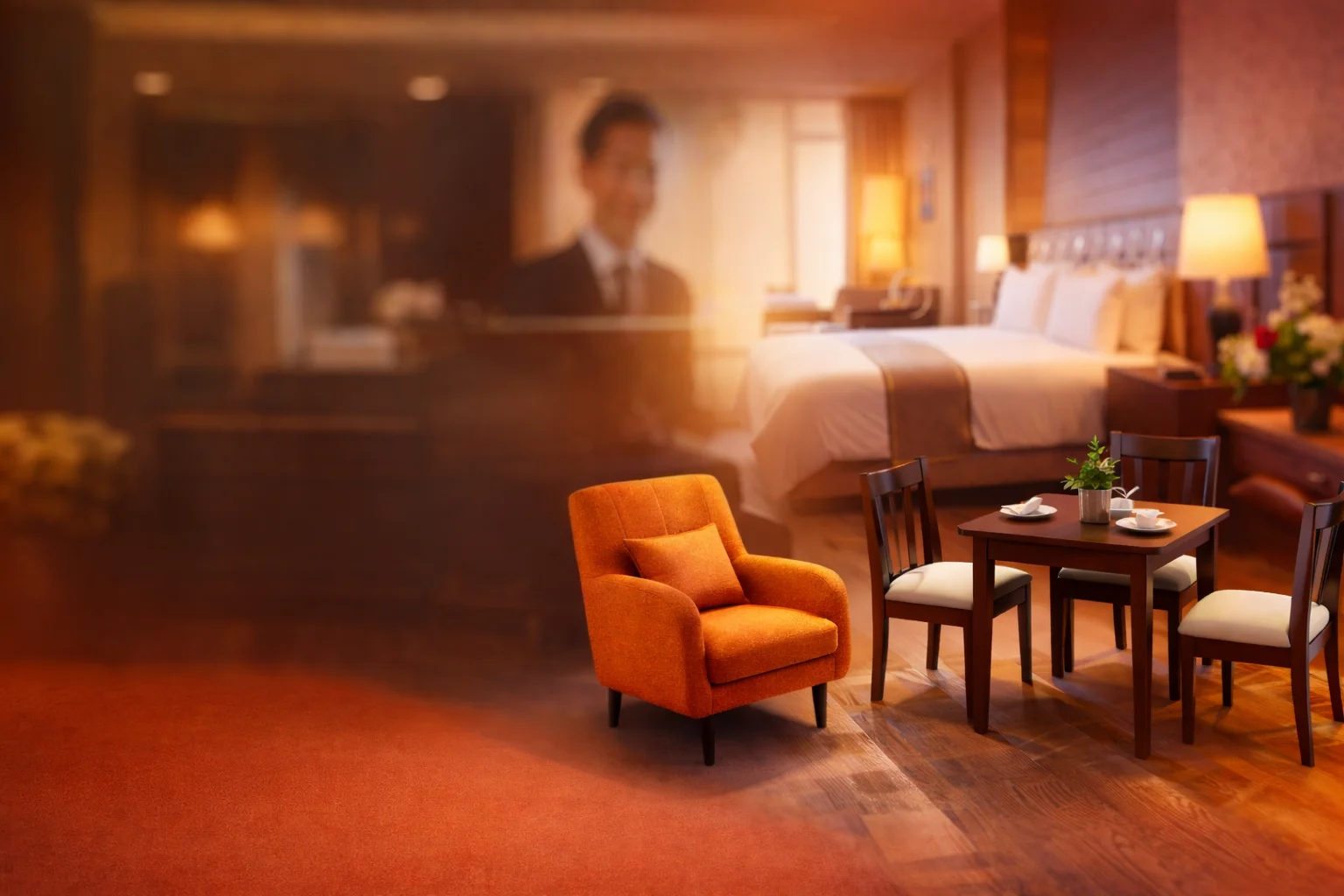
The hospitality industry runs on comfort, experience and attractiveness. Every corner of a hotel or resort makes its own spin on the experience of the guest, from entering the lobby to their relaxing space in their rooms or a restaurant. Furniture is key to this experience. For this reason, hotels are beginning to prefer to work with professional hospitality furniture manufacturers that are educated in operational requirements, branding requirements, and long-term durability.
Hospitality spaces don’t function like a residential space. Lobbies, guest rooms, cafes, restaurants, and lounges have constant exposure to footfalls and are cleaned often. Furniture must be able to stand up to constant use without losing its refined and elegant appearance. Professional hospitality furniture manufacturers in India create products that are both strong and aesthetically sophisticated and ensure that furniture does not compromise on either comfort or style when it comes to supporting day-to-day operations.
Hotels need coherent design language in all functional areas. The reception area creates the first impression and represents professionalism and brand identity. A well-designed reception desk and coordinated seating arrangements help create a welcoming atmosphere while keeping the workflow flowing. Professional hospitality furniture makers need to pay attention to different aspects of the layout, size, and material to make reception furniture more beautiful and reasonable, and more convenient for service.
Guest rooms require pieces of furniture that promote relaxation and long term comfort. Beds, wardrobes, seating solutions, writing desks, and storage solutions need to find a balance between being ergonomically designed and structurally durable. Hospitality furniture manufacturers emphasize the reliability of the frames, durability of finishes and material choices that are chosen carefully not to wear out over time. This attention to detail ensures that the room furniture continues to provide in terms of comfort even after years of non-stop use.
Dining areas inside hotels and resorts need special furniture solutions. Restaurants and cafes need to have seating that is comfortable while also sturdy enough to withstand a high turnover. As a reliable Restaurant furniture manufacturer India, Urban Grey Furniture designs tables and chairs that complement the interior theme while still maintaining commercial grade durability. Professional manufactures of hospitality furniture know that the furniture for dining must be stable, attractive and easy to maintain under high usage conditions.
Cafes within hospitality properties need to have furniture that expresses the brand personality and encourages social interaction. A good Cafe and Restaurant furniture manufacturer takes care of such supportive seating, optimized layouts, and spills and repeated cleaning resistant material. As an experienced manufacturer of Cafe and restaurant furniture, Urban Grey Furniture provides delivery solutions to meet the needs of many hospitality concepts, that provide durability without compromising on design aesthetics.
Lounge areas are designed for casual interaction and relaxation. Comfortable seating, accent tables and coordinated arrangements create inviting spaces which enhance guest satisfaction. Professional manufacturers of hospitality furniture have spacing, cushioning, and material resilience in mind as they design lounge furniture. The result is an environment that is welcoming while still providing for structural strength and visual harmony.
Durability is one of the main reasons hotels choose professional furniture manufacturers for their hotels. Commercial grade furniture needs to withstand constant movement, cleaning chemicals and constant use. Manufacturers that specialize in the hospitality market specialize in reinforced frames as well as resilient upholstery and finishes that are scratch and moisture resistant. This approach reduces the cost of maintenance and increases the lifespan of the furniture, providing long-term value for the hotel operators.
Customization is another huge benefit that professional hospitality furniture manufacturers offer. Every hotel and resort has its identity and space layout. With in-house production facilities, manufacturers can customize dimensions, materials, finishes, and configurations based on the project requirements. Urban Grey Furniture as a reliable Restaurant furniture manufacturer India and Expert Cafe and restaurant furniture manufacturer offering customized apartment furniture solutions that meet architectural details and work process.
Consistency among different hospitality zones gives a strong brand perception. Integrated furniture collections across lobbies, guest rooms, dining areas and lounges helps provide a seamless guest journey. Professional hospitality furniture manufacturers create integrated design concepts that will accommodate a variety of functional areas while still maintaining visual consistency. This integrated approach helps both aesthetically and for operational efficiency.
Material choice is very important in hospitality furniture manufacturing. Furniture should look elegant and should be easy to maintain. Professional hospitality furniture manufacturers select materials, which are resistant to stains, moisture and abrasion, providing long-term performance for furniture located in high traffic areas. Such material strategies limit the frequency of replacements and maintain the aesthetics of the interiors.
Urban Grey Furniture uses a combination of expertise in commercial, modular, hotel, cafe and lounge related furniture to provide complete hospitality solutions. Experience in space planning and commercial operations makes it possible to lay out furniture and optimize the efficiency of workflow and guest comfort. As a well-known brand of Restaurant furniture manufacturers India and a reliable Cafe and restaurant furniture manufacturers, the brand continues to support the hospitality projects with precision-driven manufacturing.
Sustainability has also become a relevant factor in designing modern hotels. Long lasting furniture prevents waste and is part of responsible resource management. Professional hospitality furniture manufacturers invest in durable materials and efficient production techniques that further product lifespan, without sacrificing on aesthetics or comfort.